
Building union power in high density environments
A story of union renewal from the middle of the Atlantic

I visited Efling union in Iceland this week. Iceland might have the highest union density in the world (~90%) but until recently their unions hadn't been engaged much internationally.
After having put them in touch with some of the Nordic property services unions I work with, and a couple of phone calls with Vidar Thorsteinsson, I finally went to the beautiful island of sagas, cured shark and ástarpungar.
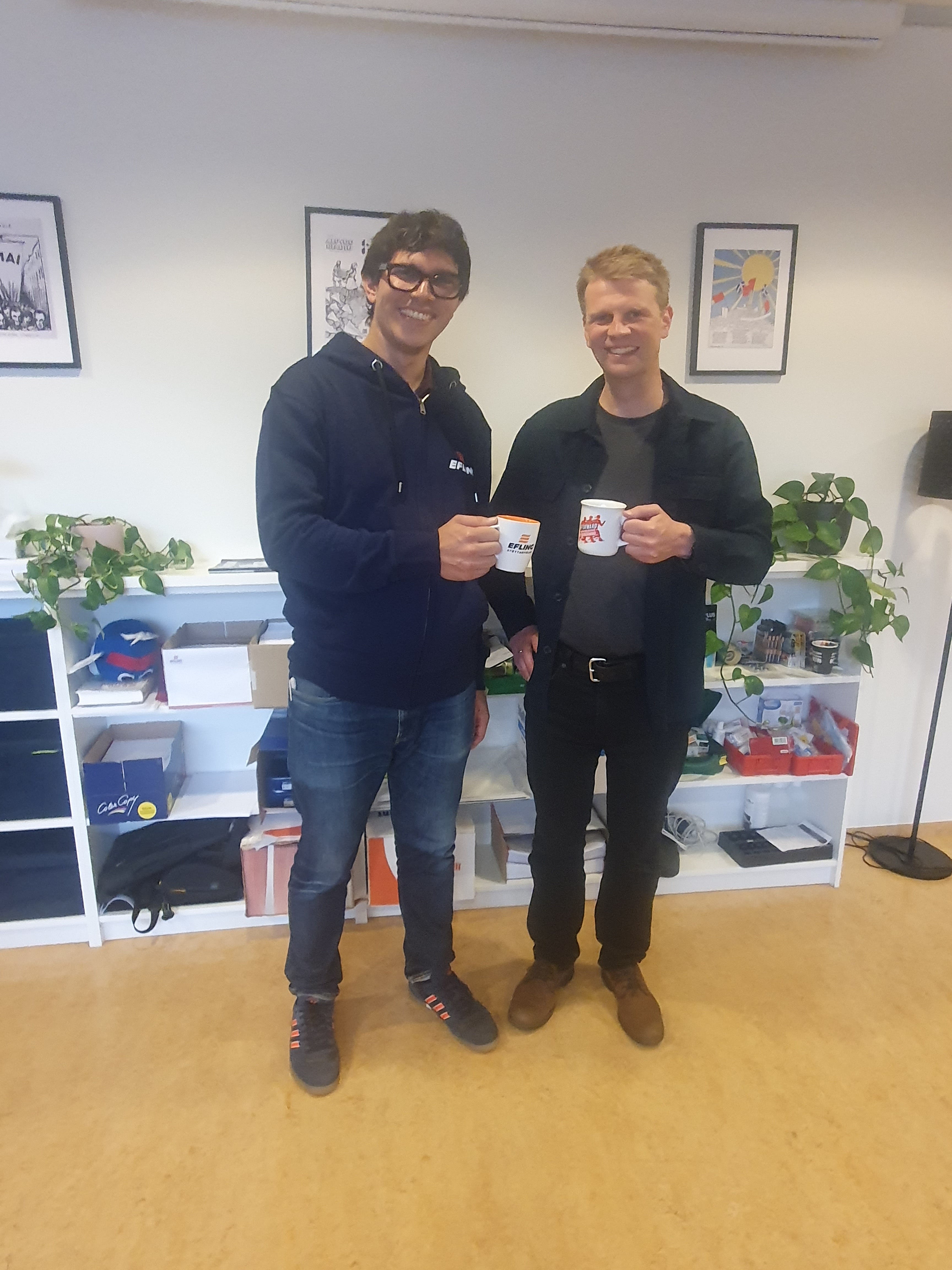
Efling welcomed me with open arms and we used every minute to discuss, deliberate and strategise. I must say that I am very impressed with the union culture that Sólveig Anna Jónsdóttir and her colleagues have built there since she took over the union in 2018.
While I was at their office, I saw volunteer union reps being prepped to go out and visit other workplaces where there are no rep structures. One worker from a confectionary factory told me at dinner that this changes everything cause other workers feel like they also can play an active part in the union. It reminded me of Eric Blanc's argument on worker-to-worker organising. A couple of hours later when they returned from their workplace visits, the volunteer reps were beaming from ear to ear. "How did it go?", I asked. "It was amazing", they said. While they still have a long way to go to build rep structures, they are on the right path.
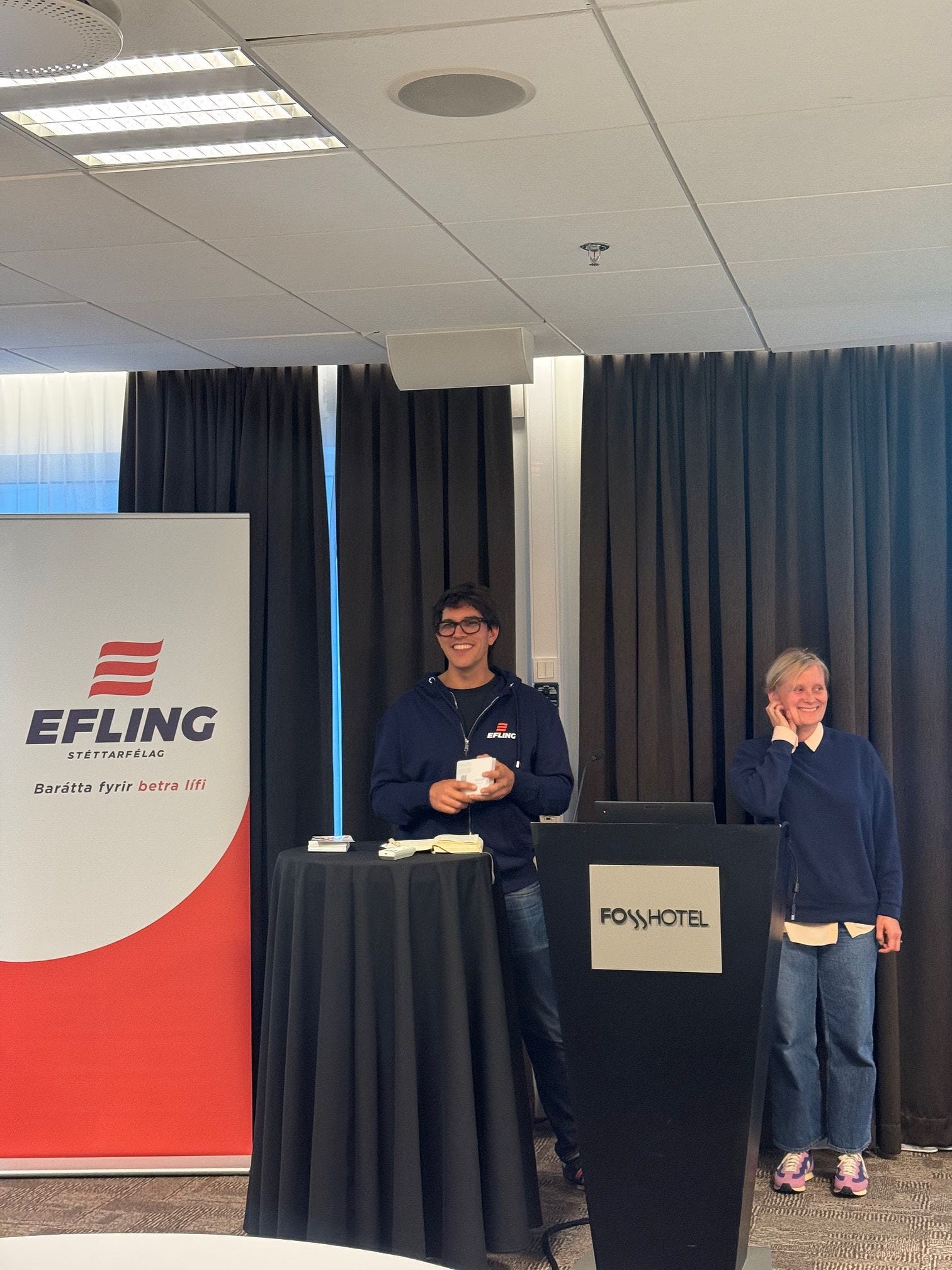
To their credit, Efling also has changed the bargaining culture in Iceland. After having bought their reps biker jackets and all collectively marching from their union HQ called the "fortress" to the bargaining table, the media caught on to it. It made such a storm in Iceland that the public television station's New Year Eve review of the year put on a sketch featuring the Efling biker jackets. However much this has changed the dynamic between members and the leadership, it remains challenging to address the fact that workers want a break room or address some pressing issues in bargaining rounds which are very technical alongside other unions which have not yet adopted more participatory approaches.
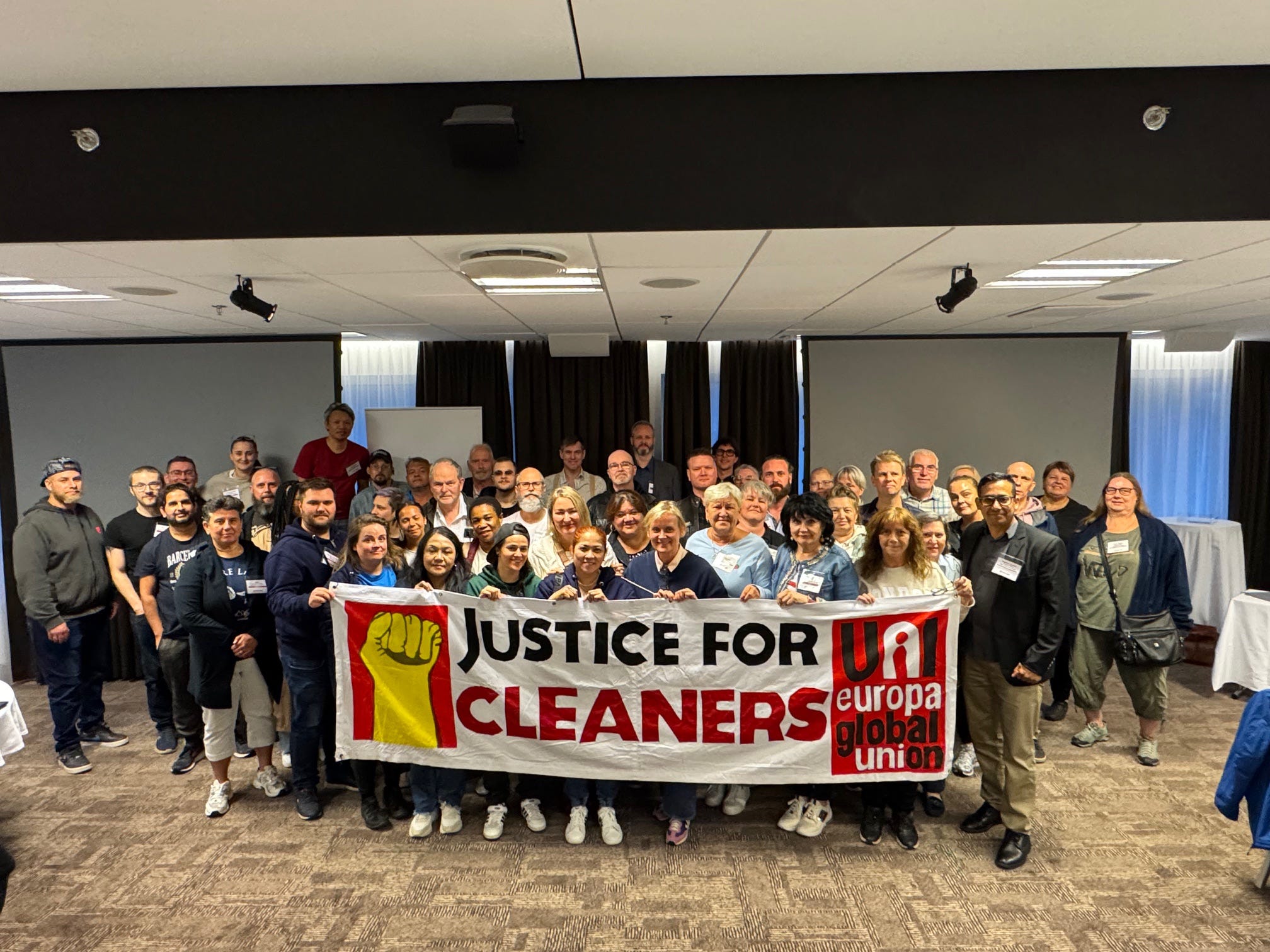
Another impressive feature is their approach to immigrant workers. When I went for dinner with the executive board at least 50 per cent were of immigrant origin. One of the workers was drinking a non-alcoholic cocktail because she still had to work the night shift. Another worker was dealing with their factory being sold off. Another worker needed to leave early because they still had a political party event to chair. In the next couple of weeks, they will organise a Cleaners Cafe to strengthen their rep structures in the sector. Then they will organise a community cook out in a couple of weeks' time. The Filipinos, the Latino@s and loads of other groups all bring their foods, showing what the Icelandic working class looks like.
Iceland has changed a lot since the financial crash in 2008 and the Pots and Pans Revolution. There has been a huge influx of migrant workers from all over the world. I spoke to Honduran, Polish, Greek, British, US American, among many others. The problem is that the subsequent governments haven't built housing for all those coming in. Concurrently, the tourist boom during the summer months has now gripped the country all year round, with AirBnBs reducing the housing stock even further. One union educator who picked me up from the airport stated that tenants spend 50-70 per cent of their income on rent.
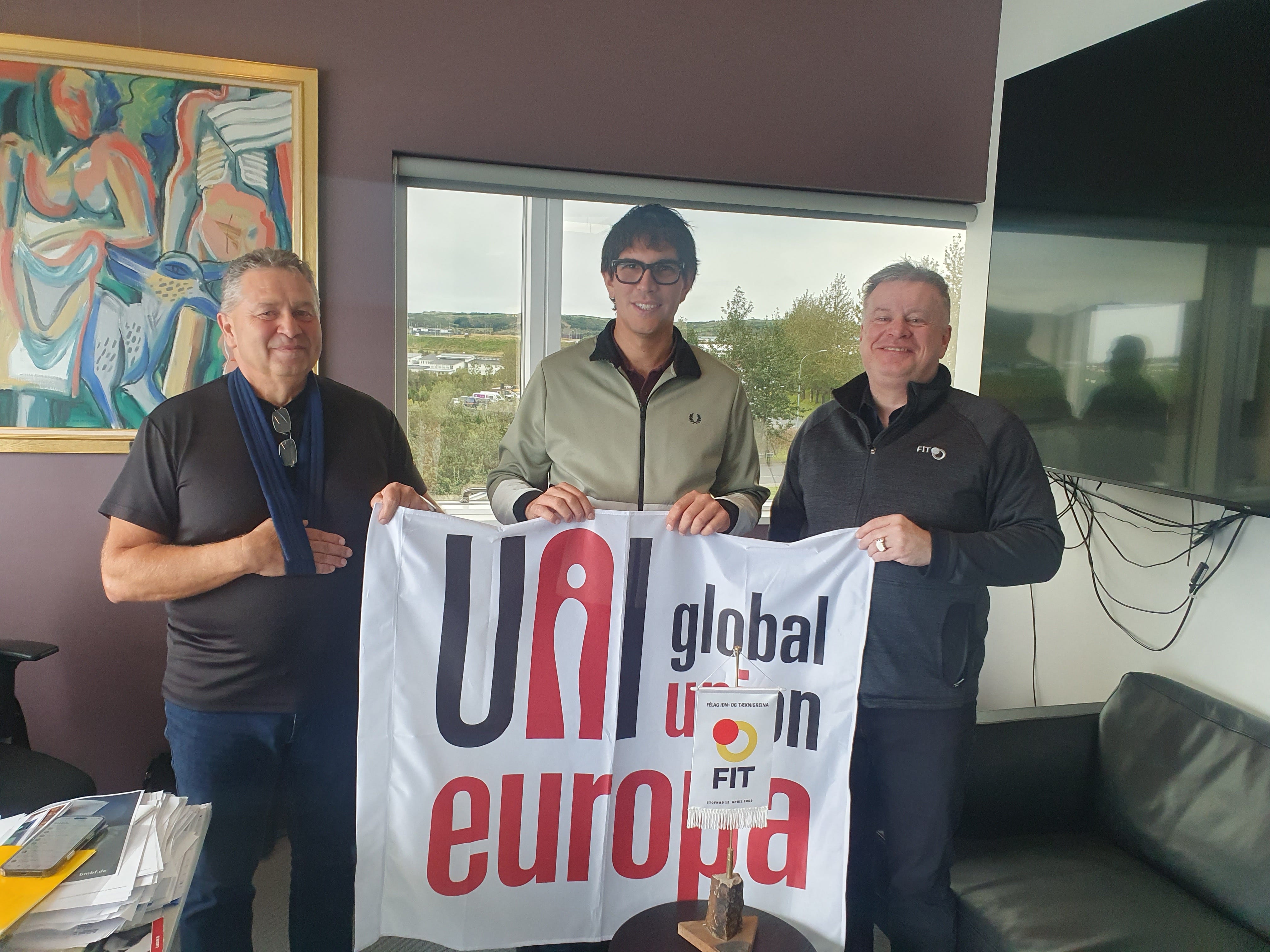
One cab driver told me that the government had gotten rid of the cap on taxis and now everyone could set up a taxi business. This has led to massive challenges for drivers. When I visited UNI affiliate FIT - our union in the Hair & Beauty sector for a meeting, they told me of similar deregulation in their sectors. FIT has been growing and building their membership through numerous successful mergers. They are in the process of bringing the different cultures of different skills and trades together. That is not an easy task but one which the leadership is committed to in order to reinvigorate collective bargaining across numerous sectors.
Like the cab drivers, they've been fighting hard against the deregulation of the skills and trades. Icelandic business men employing Portuguese or Vietnamese workers get their workers to recruit workers in their own countries for them. When they are caught exploiting folks, they simply shut down the company and let their daughter or spouse open up a new company. This way they can continue without any problems. Karl, FIT'S union lawyer, told me that one employer simply stated that he had never seen the worker and got various of this employees to say the same.
Iceland might only count a couple of hundred thousand inhabitants in the middle of the Atlantic but their hearts, minds and vision to change the world are as big as anyone's.
I learnt so much in the few days I was there and am grateful for Efling's hospitality. I look forward to learning from the colleagues of the Icelandic labour movement much more. We hear and read a lot about union renewal and new organising from the UK, US and Germany but sometimes significant innovation and radical change start from the margins or the periphery and move to the centre. That's why I am certain that we will hear about and from that island in the middle of the Atlantic much more in years to come.
What do you think?
So important to get this kind of inspiration. It is so easy to be consumed by bargaining and representing members in this country, we need reminding of the basics of building power. On it! Again!
So good to hear! Sounds like you met and talked woth some wonderful, caring people. Keep up the good work, Mark.